Blog
From France's Capital of Brass Music to Weiwuying—An Interview with Jean-Philippe CHAVEY, Artistic Director of Eurocuivres
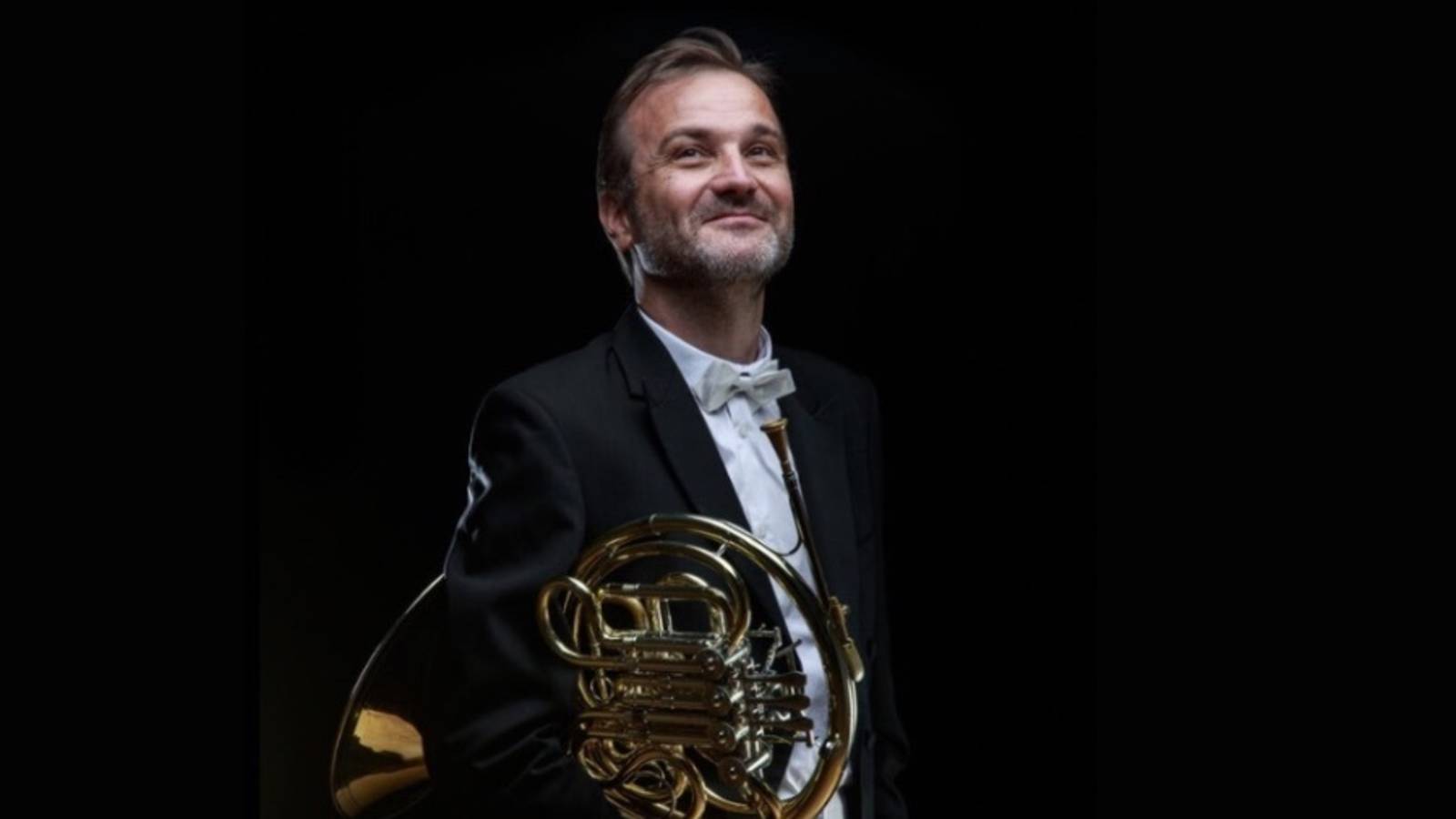
▲Main image: Eurocuivres founder Jean-Philippe CHAVEY (Photo courtesy of the National Kaohsiung Center for the Arts (Weiwuying))
Interview and Text by Stephanie Chen (Translator|YANG Kai-xun)
Eurocuivres Asia will begin at the National Kaohsiung Center for the Arts (Weiwuying) on July 6 this year. During this week-long music camp, an intensive program of masterclasses, professional training, and performance exchanges will bring together leading European faculty and brass and percussion enthusiasts from Taiwan, creating a musical gathering that transcends cultures and generations.
Founded in 1999 by horn player and educator Jean-Philippe CHAVEY, Eurocuivres has been rooted in Montbéliard, a major city in eastern France. In recent years, it has extended its artistic reach to Asia and established a partnership with Weiwuying. Their collaboration goes beyond the sharing of educational resources to exploring the venue's distinctive acoustic potential. One major highlight this year is the inclusion, for the first time, of Weiwuying's iconic pipe organ in both the teaching program and performance lineup. For Eurocuivres, traditionally focused on brass ensemble playing, the organ expands the depth and range of its sound, opening new possibilities for repertoire and concert presentation.
This musical journey will culminate in two performances during the second weekend of July. On July 11, the faculty will perform first in Carte Blanche, showcasing the diversity of European brass traditions. On July 12, faculty members and participants will perform together in Grand Final. From the detailed work carried out in the rehearsal rooms to the powerful resonance of the Concert Hall, the process shows how music builds momentum between teachers and students throughout the week, culminating in a shared musical dialogue.
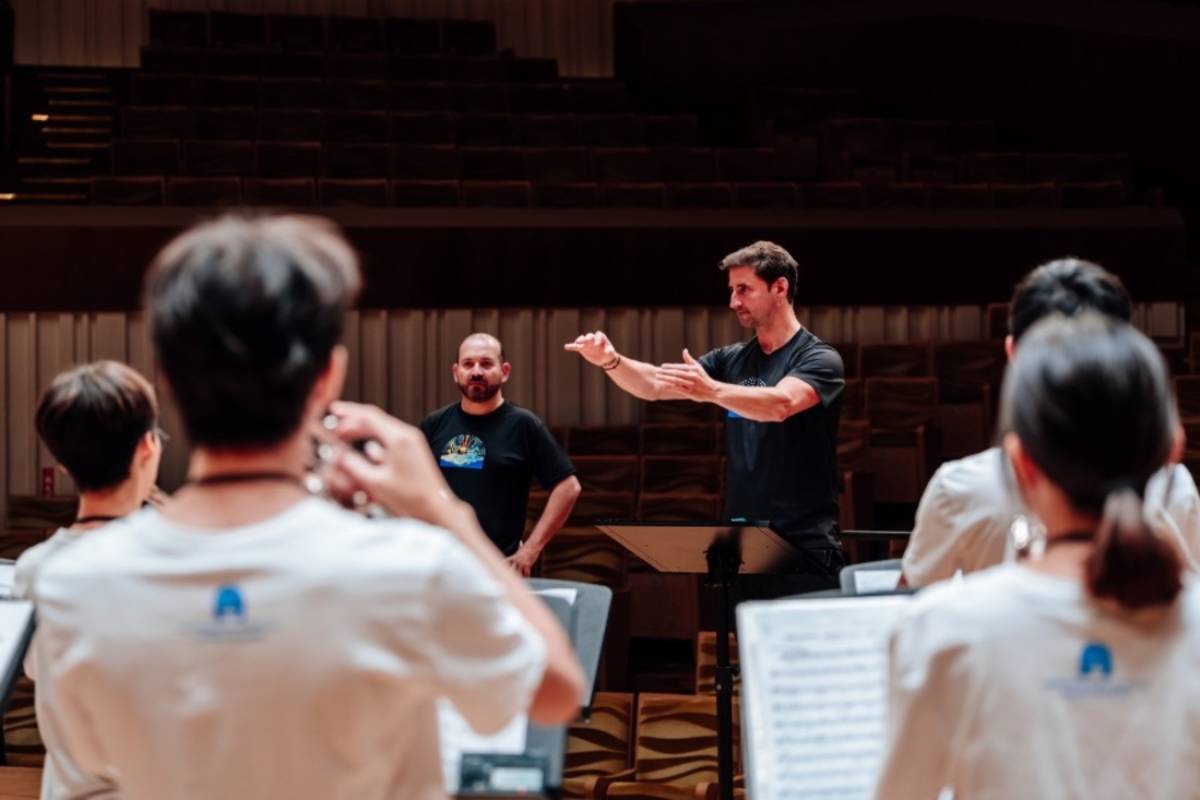 |
▲A class at Eurocuivres Asia 2024(Photo courtesy of the National Kaohsiung Center for the Arts (Weiwuying))
Music Is a Collaborative Art
To understand what makes Eurocuivres distinctive, we must return to its beginnings in 1999. That year, CHAVEY chose to establish the music camp in his hometown of Montbéliard. His aim, however, was not to reproduce an existing model of music education. As he recalls, "My initial idea was not to create a music camp like any other. What we needed was a cohesive team of teachers. Music is a collaborative art, and to make that possible, it is important to have a cohesive faculty who can transmit their passion and love of music."
Across the history of classical music education, learning evolved from the apprenticeship tradition of early courts to the standardized conservatory system that emerged toward the end of the eighteenth century. As musical training became more specialized, a pedagogy centered on individual instruction took shape. Many young musicians' daily lives are often confined to soundproofed practice rooms or one-way, one-to-one relationships between teacher and pupil. Nonetheless, CHAVEY believes music's true value is created through exchange and collaboration. For this reason, he has always placed ensemble playing, dialogue, and collective learning at the heart of education: "To Eurocuivres, learning music is not always an individual pursuit; it is also a collective activity. This may seem confusing at first, but it is what makes the teaching provided at Eurocuivres so powerful."
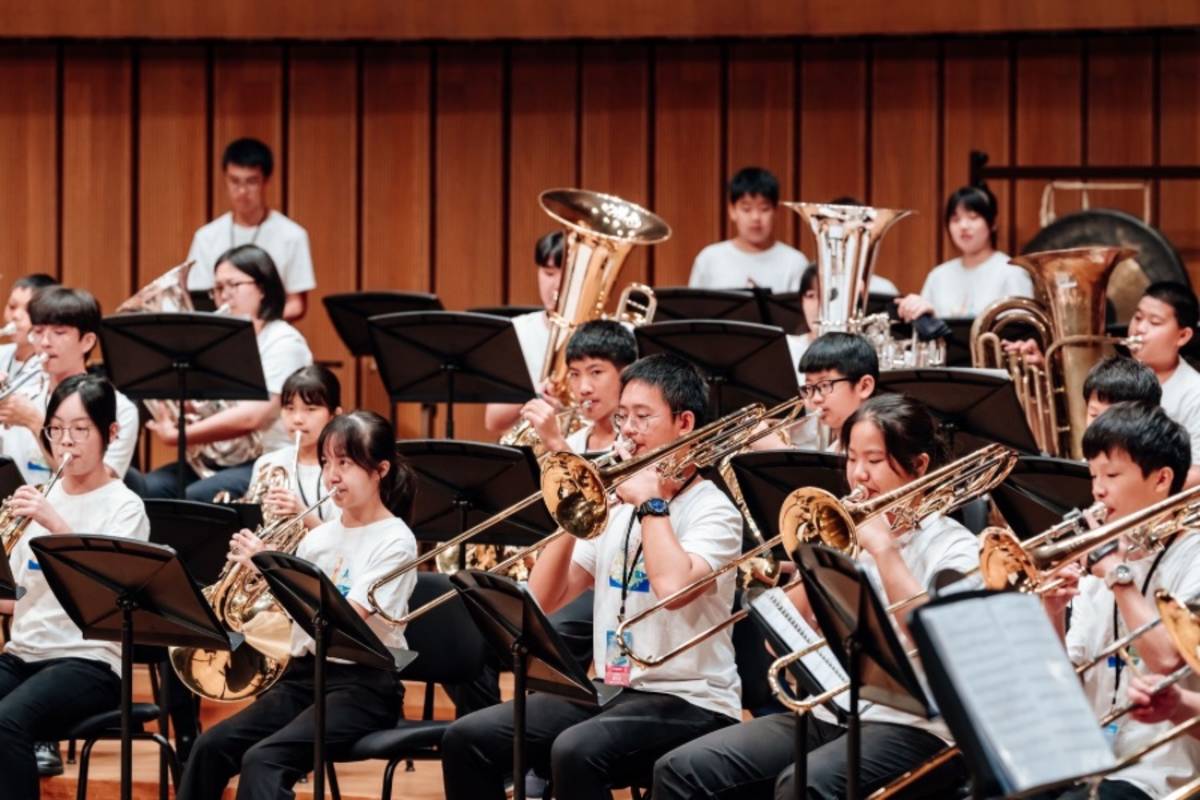 |
▲Participants rehearsing at Eurocuivres Asia 2024(Photo courtesy of the National Kaohsiung Center for the Arts (Weiwuying))
This philosophy is also reflected in the makeup of the faculty. CHAVEY emphasizes that while excellence in performance is necessary, he places even greater importance on whether the teachers share the same educational vision. "Of course, all the teachers at Eurocuivres are great artists, but what makes Eurocuivres so strong is a team working toward the same pedagogical goal." He compares it to football: "You can't win the World Cup just by gathering the superstars, but with strong players who play as a team, because music, like football, is a team sport."
From Amateur Enthusiasts to Professional Performers: How a City Cultivates Musicians
Another core principle of Eurocuivres is that it welcomes participants of all ages and experience levels. In Taiwan, alongside students receiving formal music training, active amateur wind players also form an indispensable foundation of the local wind music culture. For all who continue to play out of love for music, the camp offers an opportunity to improve together across cultural and technical boundaries.
This inclusive belief is rooted in CHAVEY's hometown of Montbéliard. Located in eastern France, the city has a well-established brass music culture and has long fostered numerous wind ensembles made up of working-class musicians and amateur players. "It is an industrial region with countless brass bands, a true breeding ground for musical talent. It is also my birthplace, of which I am very proud," says CHAVEY.
According to CHAVEY, it was this rich local foundation that allowed Eurocuivres to develop into one of the leading—and undoubtedly its longest-running—brass and percussion festivals in France. Over more than two decades, over 3,500 participants have attended, transforming the city into a true capital of brass music every July.
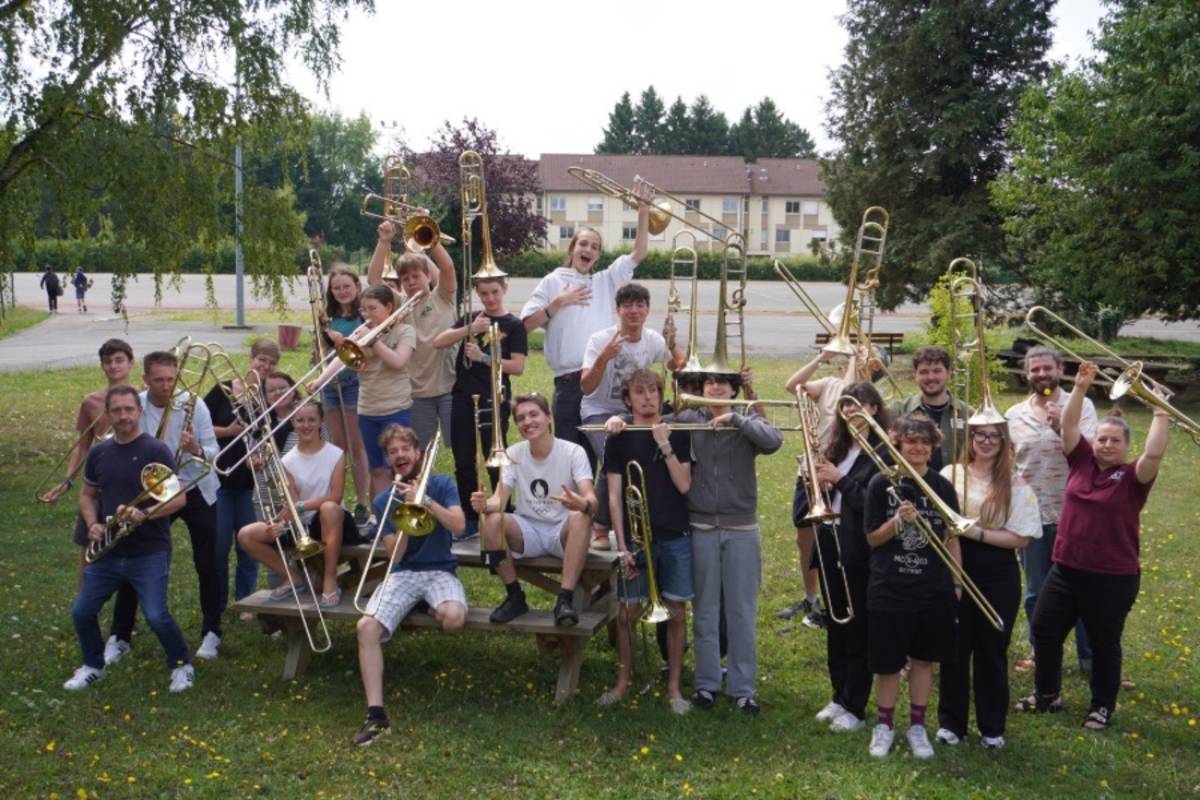 |
Group photo from the Eurocuivres music camp in France, 2025(Photo courtesy of Eurocuivres)
The city's musical tradition can even be traced back to the end of the eighteenth century. Frédéric DUVERNOY, a horn player born in Montbéliard, later became the first horn professor when the Paris Conservatoire was founded in 1795. His development as a musician is still regarded as a prime example of how a regional music culture can nurture professional talent.
Inheriting this rich historical legacy, CHAVEY firmly believes that top artistic achievements are often rooted in pure grassroots musical traditions. Eurocuivres' faculty includes outstanding teachers from major conservatories, as well as principal players from leading orchestras in Europe and Taiwan. Although the team members now stand at the peak of the classical music world, he continues to emphasize: "All brass teachers at Eurocuivres began by playing in amateur brass bands and wind ensembles in their early years. They have not forgotten where they came from, and they still remember learning alongside excellent amateur musicians."
For CHAVEY, amateur and professional musicians have never belonged to opposing worlds. The value of music education lies not only in developing elite performers but also in sustaining an inclusive musical environment. For this reason, Eurocuivres has always kept its doors open to participants from different backgrounds, because passion, curiosity, and a spirit of sharing often determine how far a musician can go more than technical ability alone.
When Brass Meets the Organ: A Dialogue Across the Centuries
For this year's camp, Weiwuying proposed incorporating the concert hall pipe organ into the ensemble. For CHAVEY, this was not an attempt to march to a different beat, but a return to the traditions of European wind music. "Brass instruments were widely used in church music; therefore, they were often associated with the organ," says CHAVEY. Around half a century ago, the legendary French trumpeter Maurice ANDRÉ played a major role in bringing music for trumpet and organ back into the spotlight.
Following this historical thread, this year's program has been carefully planned. It will feature a classic work by Giovanni GABRIELI, a leading figure of the Venetian School, and Eugène GIGOUT's renowned "Grand Chœur Dialogué," highlighting the rich and vivid musical dialogue between organ and brass.
The camp will also present several works created by its resident arrangers. CHAVEY says: "We are fourunate to have talented musicians and arrangers who tailor-made program that can only be heard and played at Eurocuivres. There will be music by GABRIELI but also many other surprises."
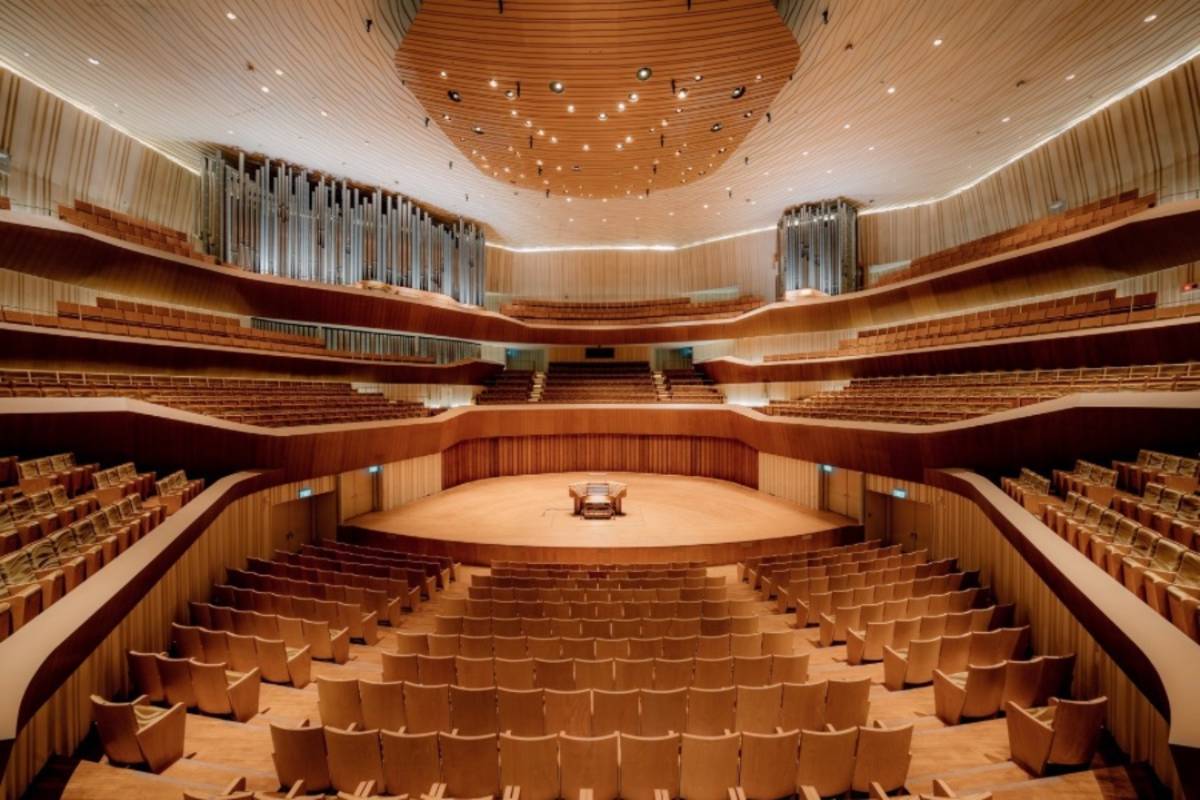 |
▲Weiwuying Concert Hall(Photographer: LIN Chun-Yung, Photo courtesy of the National Kaohsiung Center for the Arts (Weiwuying))
In addition to this specially created repertoire, another highly anticipated Eurocuivres tradition is for all faculty members and participants to come together at the end of the camp to perform an arrangement of a large-scale orchestral work. After a WAGNER work in 2024, this year's finale will be the fourth movement, "I pini della Via Appia" ("The Pines of the Appian Way"), from Italian composer Ottorino RESPIGHI's Pini di Roma.
Known for its magnificent brass sonorities, this classic movement not only tests the ensemble's ability to perform as one but also fully embodies the spirit of collective collaboration emphasized throughout the camp. CHAVEY says: "Our philosophy is sharing and blending. In France, we love the grand finale of a spectacular fireworks display. Each Eurocuivres Academy concludes with all the participants coming together for a magnificent and unique moment of unifying."
Meeting in Taiwan: A Dialogue Between European Experience and Asia's Eagerness to Learn
This power to bring people together is expressed not only on the concert stage but also in deeper exchanges between European and Asian cultures. Since first visiting Taiwan in 2017, CHAVEY has observed both differences and complementary qualities in students from the two regions. For him, Eurocuivres in Taiwan represents a two-way cultural exchange. "I believe we all have much to learn from one another," he says. "We Europeans can contribute our experience, since brass music was born in our continent. At the same time, Taiwanese musicians show tremendous curiosity and thirst for learning and discovery. Bringing these two qualities together is a unique and deeply rewarding experience."
More than the exchange of technical knowledge, what has moved CHAVEY most is the human warmth he has encountered in Taiwan. "What touches me most about Taiwan is the kindness and devotion with which everyone welcomes us," he says. "From the beginning, this Eurocuivres adventure in Taiwan has been conceived as an exchange and discovery of experience and artistic sensibilities. I believe this is fundamental to being an artist: remaining open to others and to all cultures. It is deeply enriching for everyone."
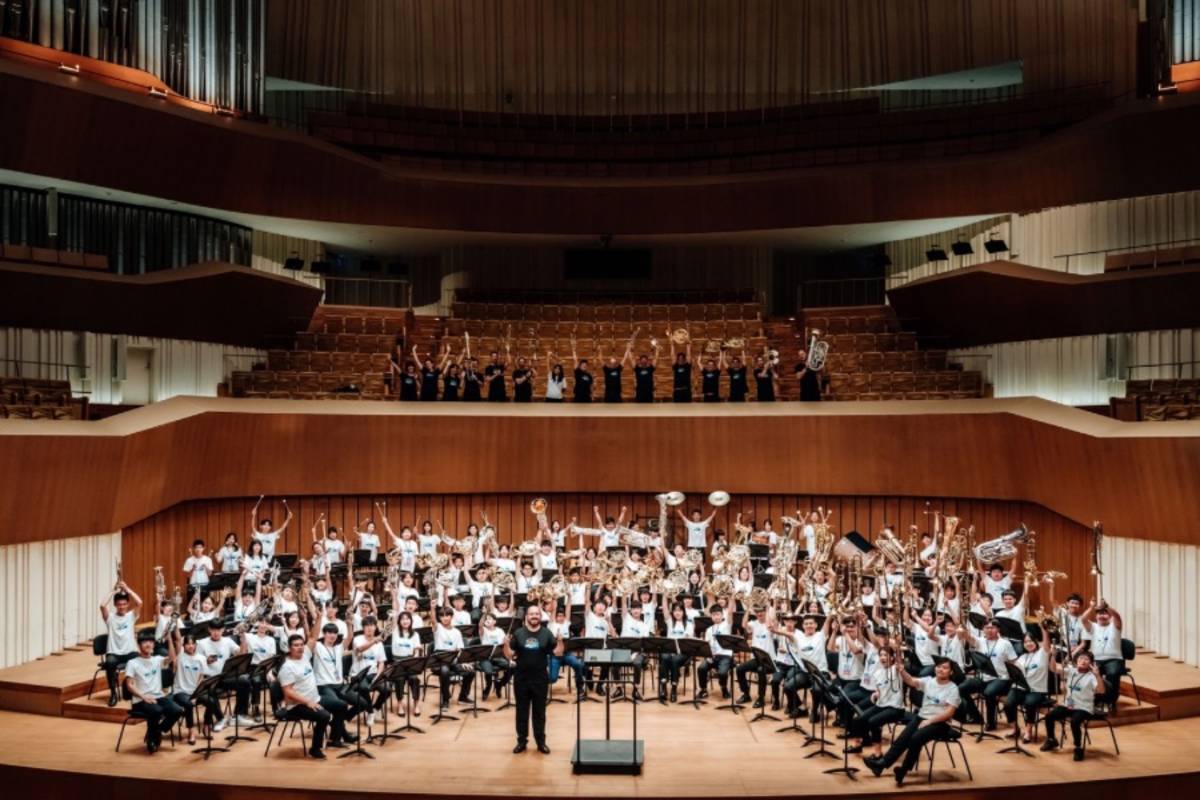 |
▲Group photo from Eurocuivres Asia 2024(Photo courtesy of the National Kaohsiung Center for the Arts (Weiwuying))
In CHAVEY's vision, Kaohsiung and Weiwuying serve as important hubs connecting diverse cultures and educational experiences. The significance of Eurocuivres in Taiwan has therefore long since moved beyond the framework of a conventional educational camp, carrying with it a far more ambitious vision.
"I hope to establish a true music festival that will have an impact not only in Taiwan but throughout Asia and even, why not, in Europe?" he says. "I am convinced that some festival-goers and academics would be ready to come here in early July to make music, share, and discover this amazing country."
Perhaps, as CHAVEY hopes, Eurocuivres is more than a summer music camp. It is an emerging space for cross-cultural exchange and experimentation.
Top Hash Tags
You May Also Like
Imaginative Freedom within CHOPIN in X aiwan Utopia
During a residency in Portugal, choreographer Baru MADILJIN discovered a new artistic direction. Upon returning to Taiwan after that period of quiet, he became keenly aware of how society views Indigenous people and contemporary dance—much like gazing at animals in a zoo.

Pushing the Envelope in Sound: An Unbounded Journey of Music
In recent years, with all kinds of brilliant music performances, Weiwuying has become a major platform for arts exchange. As a composer, musician, and music educator, I had especially longed for this because now I no longer have to spend a lot of time and money traveling to some other city to be able to interact with some of the best musicians from around the world and to experience different cultures through their musical vocabularies.